My Story: Rainelle Jones In Her Own Words
Rainelle Jones, University of Maryland Student-Athlete
12/6/2021
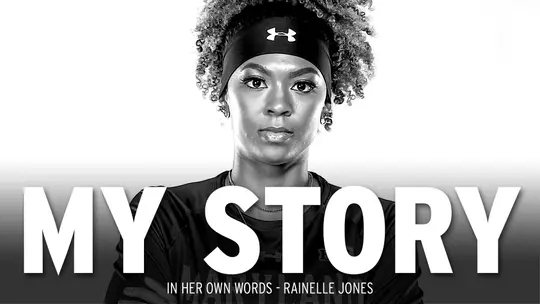
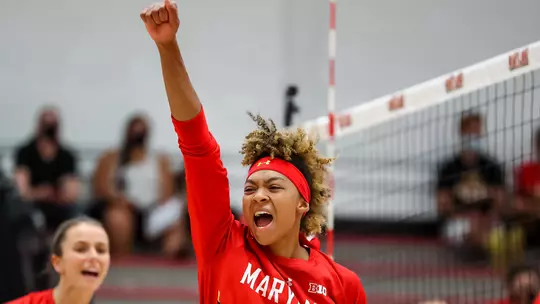
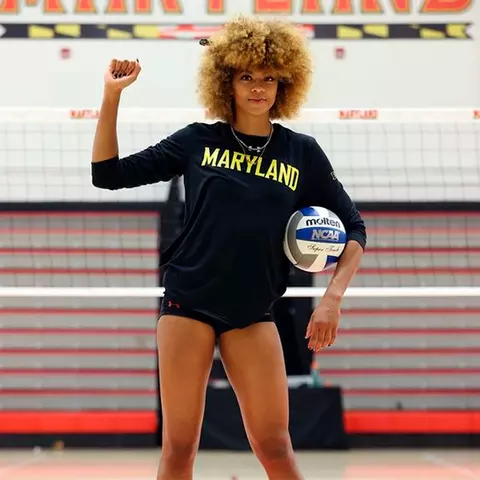
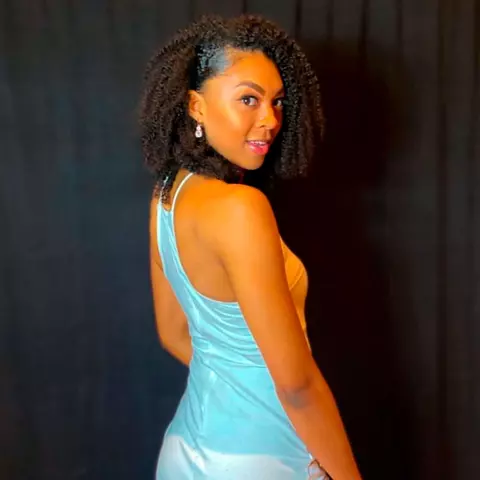
All my life, I've been stuck trying to find my identity while having the pressure from people around me constantly asking me my race because they can tell that I’m not the “average” Black person. My giant afro and crazy curly hair felt like I was asking for attention from others to ask me about it. Meanwhile, I didn't even know what I was doing with my hair until I got to college because I was never taught how to properly take care of my crown of curls. I’m not saying my parents neglected me on how to take care of myself, they just didn't know how to either. I wasn’t able to treat my hair like other Black girls because my parents didn't allow perms, relaxers, box braids, etc. I stuck with natural braids and wore my hair curly. When I learned about flat ironing my hair, it was only for special occasions that ended up turning into an everyday thing. Damaging my curls, completely avoiding what I was born with, and applying tons of heat with no instruction on how to take care of my straight hair either.
It is not our differences that divide us. It is our inability to recognize, accept, and celebrate those differences.Audre Lorde
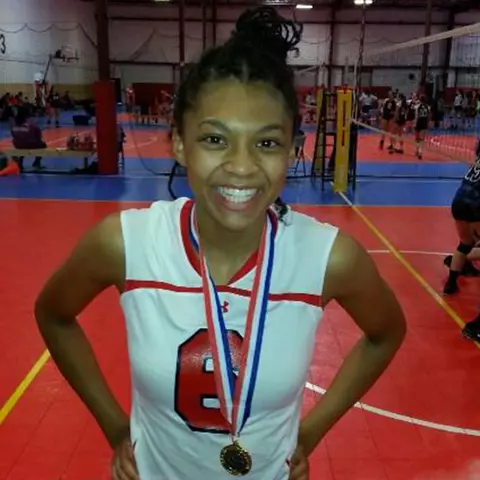
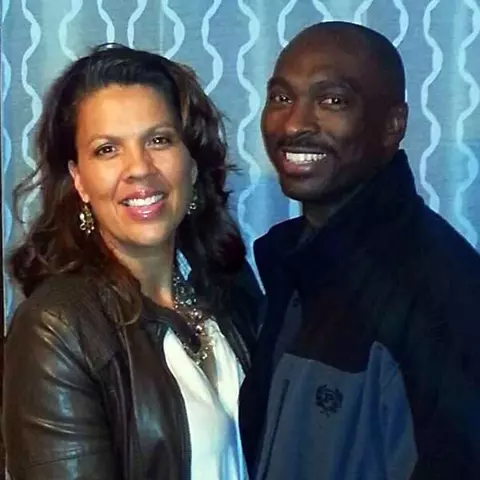
Being the oldest daughter of my parents, I always felt like the trial run for many aspects of my life growing up with four younger siblings. I lived my life freely to follow what I gravitated towards, the problem was the distinct types of people I was surrounded by. I went to school and lived in Prince George's County, a predominantly Black and Hispanic area, known to be very diverse of all races, except for white people. On the other hand, right across the bridge from where I live is Virginia, which has more white people than Maryland. I went to church and found myself in Virginia a lot outside of school because of how convenient it was. The gratitude I have from my parents allowed me to see all types of people and cultures growing up by being in these environments without thinking about race or ever seeing a clear difference between the two environments until I got to middle school.
Middle school as a mixed teen was hard for my confidence because people began to have the choice to surround themselves with who they wanted and what they all had in common with. I immediately noticed that all my elementary school classmates began to hang out with people that looked like them. Out of everyone, I noticed that each race of people hung out with who shared the same physical similarities as them. I didn't know what to do, so I did what peer pressure of a crowd does, followed what everyone else does, and I found myself with a small group of biracial kids. As the school year went on, I made more friends that I enjoyed being around based on their personalities and also had my basketball teammates to be around.
I raise up my voice not so that I can shout, but so that those without a voice can be heard…We cannot all succeed when half of us are held back.Malala Yousafzai
Everything in middle school was going well! A couple of months later during the school year, we had a surprise school event with a DJ that was playing music I never heard before but the black students were dancing to it and seemed to know what it was except for me! It was Go-Go! I forgot the name of the genre of music as soon as I got home that day and went on the internet to try and find it again because I was too afraid to ask students what it was called. If you know what Go-Go is, you know that it’s not a song where you can just look up the lyrics and find what the song is. It's the beats and instruments that makeup what it is. The instant connection I got from Go-Go was unlike any other music I heard growing up. Like I said before, being the oldest, I didn't have anyone to influence what I listened to. So I listened to Taylor Swift, One Direction, Imagine Dragons, etc., which all had a common trend of what kind of music this was. Middle School was a time for me to discover the “Black” side of my life, and it was very exciting for me! However, outside of school, I still went to a predominantly white church during the weekends, and this was when I started playing volleyball. The sport of volleyball has always been less diverse compared to basketball. Being the only Black girl on my first club team, I knew that my love for volleyball was much more important than fitting in. Over time, fitting in and transitioning between the different types of people on a daily basis was difficult for me. Meanwhile, I wasn't even surrounded by the Indigenous part of me compared to the Black part of my life. The lack of knowledge and ignorant responses I got from people who asked about the Indigenous side ended up lying to people and telling anyone that asked what I’m mixed with that I’m half white and half Black. It was easy for me to avoid the truth because I didn’t see my mother’s side of the family very often. The embarrassment of going to pow-wows and going to Canada being the darker-skinned family grew. I loved being with my family on both sides and spending time with them, but the thought of not being able to feel like I fully fit in kept me from opening up more to my family members.
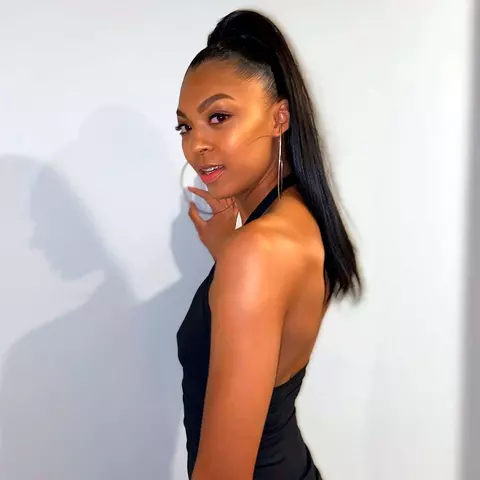
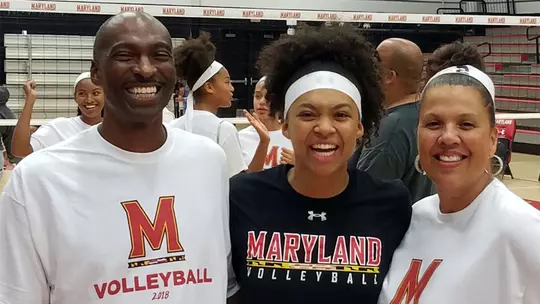
I never got to meet people that I felt like I belonged to until I got to the University of Maryland. I got to meet so many students who shared the same experiences of being a minority but were stuck in the middle of choosing between a group of people based on race. I didn't know it was such a common phenomenon among students growing up in America, especially in Maryland, being so close to many separate types of cultures connected by the beltway (an interstate highway that surrounds Washington, D.C., and its inner suburbs in adjoining Maryland and Virginia). However, the separation of each race and the feeling of choosing between one or the other never stopped. Before I got to UMD, I knew the school wasn't as diverse as my High School, but I knew it statistically was one of the most diverse schools compared to other universities. The problem was finding where those people were and maintaining my social life with school and volleyball being a priority. It wasn't until after my freshman season, I had the help of a High School friend, Quest Hollis that brought me to the black community on campus! Who knew that such a large number of black students at UMD created an environment for themselves to socialize, share cultures, create fun events and build lifelong friendships that not enough athletes knew about. I was introduced to African culture from the students while also sharing the same love for the Black culture that was built. Connecting people from New Jersey, Baltimore, PG County, and D.C. with open arms to anyone that wanted a place to be themselves. I had a whole life outside of athletics that many of the other athletes at the time didn’t know existed because they were in their own social world that I didn’t feel like I fully belonged in.
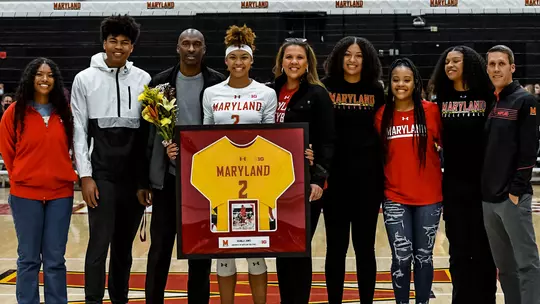
This left the feeling of being stuck between two different environments and realizing that things never changed once I got to college. During the worldwide shutdown from the pandemic into the George Floyd and Breonna Taylor events that struck many protests and riots created a conversation between my team and me that I never thought I’d be able to have. I spent a good amount of time thinking that the divide between multiple races of people is okay because each has something that makes them special and unique from one another. It’s sad to recognize that it takes something as tragic as the death of another human to turn into something positive. It takes people like me to bridge the gap between people who have no idea about other cultures and possibly open their eyes and hearts to accept one another but embrace the differences.
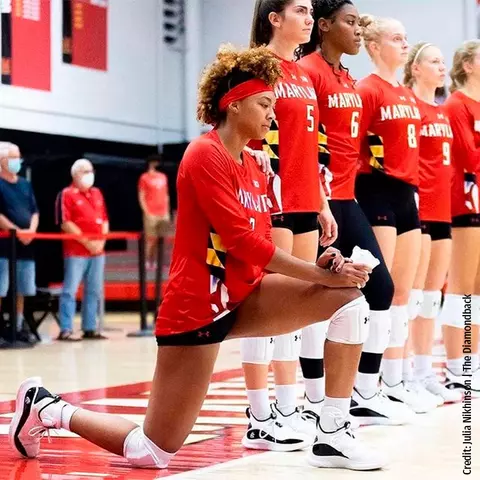
Good people reminded me that if I didn't want to sit down and explain why the Black Lives Matter movement and kneeling during the National Anthem are so important, I don't have to. But I am honored to and want to be the one who has those uncomfortable conversations with people who don't understand to give them proper information about why equality matters.
There are many ways historical activists have made a difference. I am also making history with proper education in American Studies and African American Studies classes and my own experiences growing up. Discrimination and oppression happen everywhere and are engraved in our system. I am not afraid to bring the truth to the surface even if a couple of naive comments made from fighting for equality are thrown at me.