In Her Own Words: Taylor Whitmer | My Mental Health Story
Taylor Whitmer, Women's Soccer Student-Athlete
5/31/2022
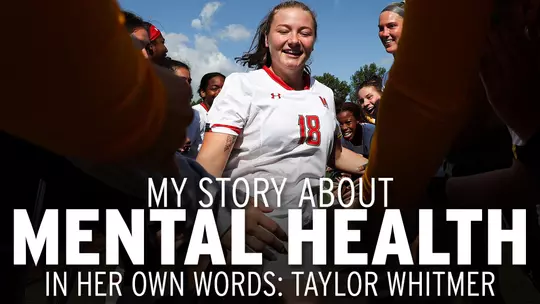
Maryland women's soccer student-athlete Taylor Whitmer opens up about her struggles with mental health in this powerful edition of “In Her Own Words.”
Here is my story about mental health, but I'm still writing it and learning it.
We preach about brotherhood and sisterhood on the field. It's time to take that mentality off the field and check in on your brother and sisters. If you need to talk, then talk. If you can be an active listener for someone, then listen.Taylor Whitmer
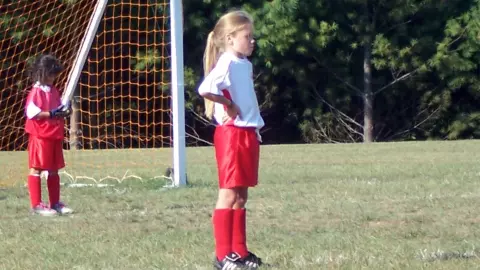
When I was as young as three, my parents got me into soccer and softball. When I was in sixth grade, I realized how much I enjoyed soccer and the excitement I would get running around that field with the ball. I soon dedicated all my time to soccer and decided this was the sport I wanted to continue playing.
As a Maryland native, I was always around Maryland sports when I was little. I went to Terp women's soccer games, and they were electrifying to me. Those games motivated me to be on Ludwig one day.
I'm super grateful for the opportunity I was given to represent Maryland women's soccer. I would NEVER go back and change my decision. However, I want to be real with everyone about my experience with mental health and the mind battles I had to fight with sports.
In 2017, I tore my ACL at the end of my junior year of high school.
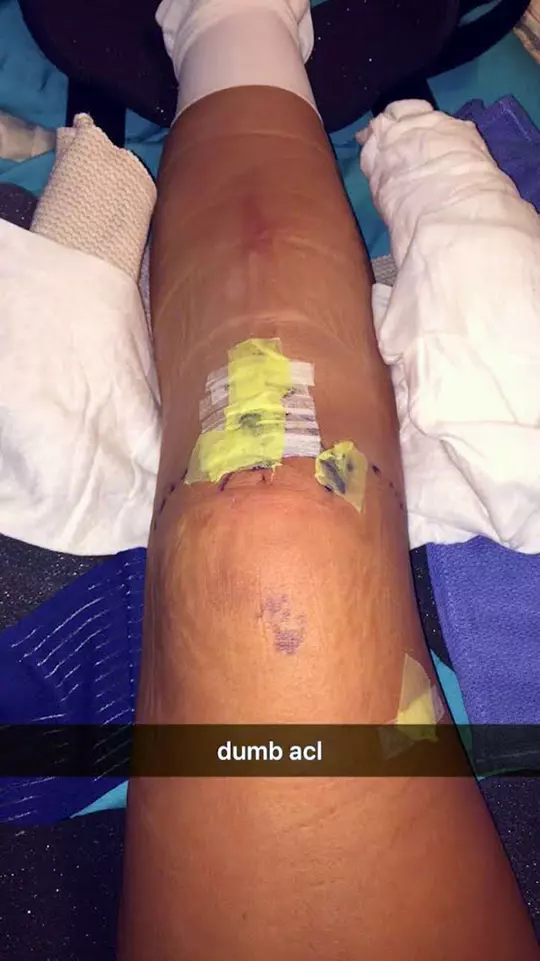
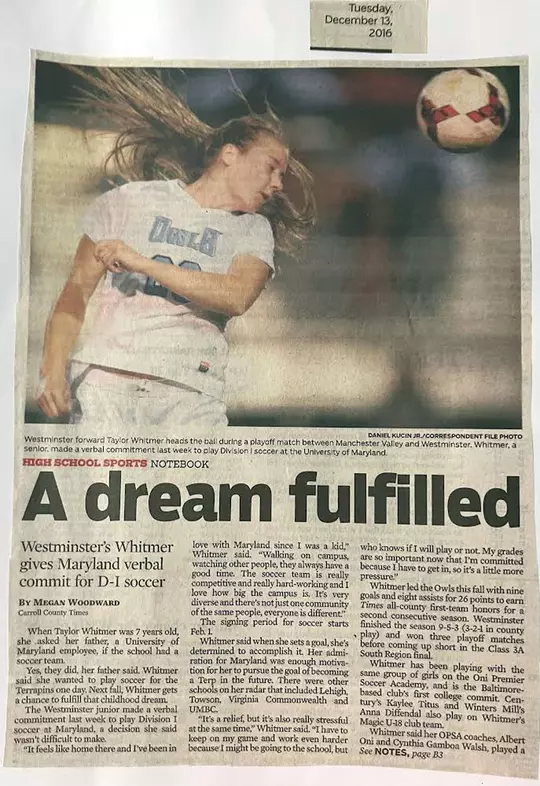
I was 17 years old and did not know what the next step was for me. I constantly had these questions running on replay in my mind;
Why am I eating this?
Should I be doing more with my physical therapy?
Will I be strong enough?
What if I can't perform like I used to?
Am I enough?
These questions followed me to college.
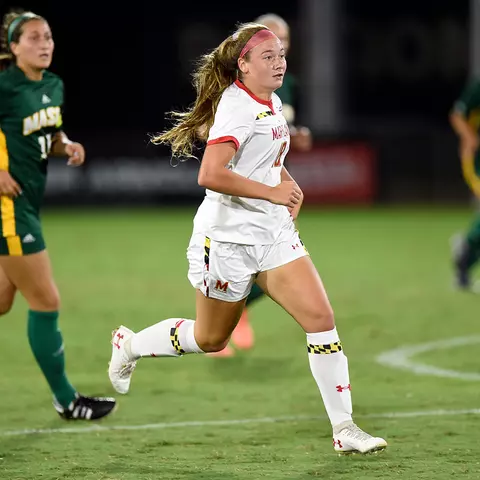
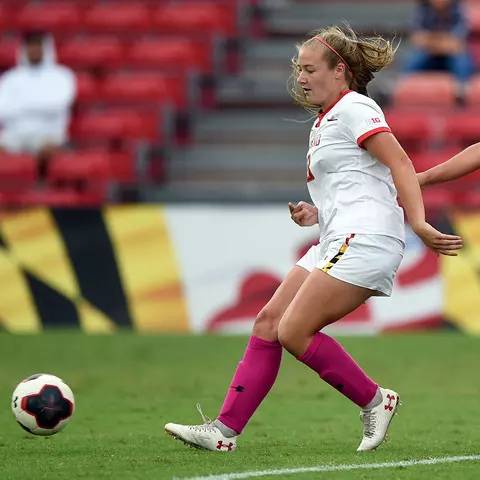
Only I knew what I was feeling and going through. I knew I needed help, and I needed to talk to someone.Taylor Whitmer
What got me through all of this? I went to therapy. I utilized mental health resources. I had support from my friends and family.
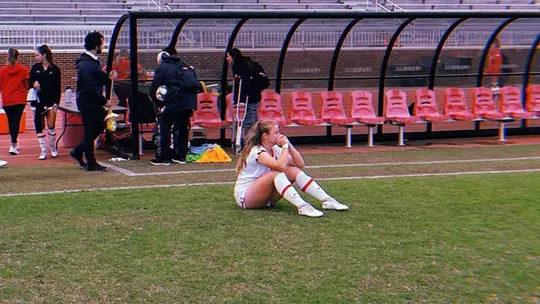
Once I started collegiate soccer, performance anxiety surfaced. It was present at every practice and every game I was playing. My confidence in my playing lowered tremendously. I couldn't find a positive outlook on my performance. I would have never thought that my passion for soccer was dimming out.
I was lost.
I started to battle school, body image, anxiety, episodes of depression, stress, and self-esteem. I started comparing my body to others who were stronger and thinner.
I felt like I would never reach that goal no matter what I tried or did. Soon, my struggles became overwhelming for me, but I hid them. I masked it with jokes, laughter, and smiles. I attended to others' problems to distract me from my own.
But how could I help others when I didn't know how to help myself?
Only I knew what I was feeling and going through. I knew I needed help, and I needed to talk to someone.
What got me through all of this? I went to therapy. I utilized mental health resources. I had support from my friends and family.
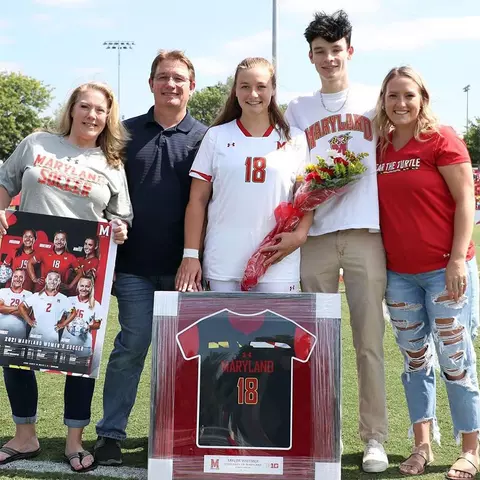
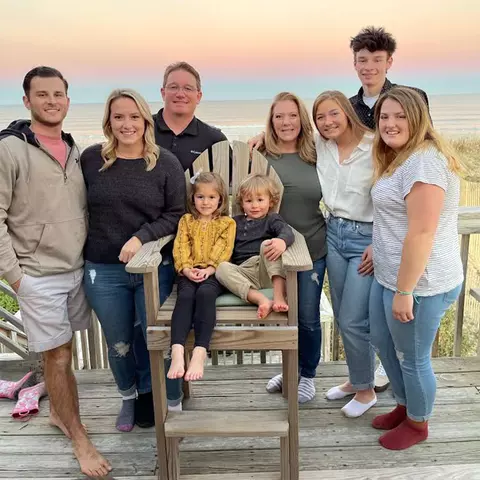
I also decided to join SAMs club (Student-Athlete Mentors) around this time. I went into meetings not knowing what to expect. I was scared about being judged for going, but I'm so happy I did. I would go to events, group discussions, and zoom calls where I listened to other athletes talk about their experiences.
I realized I was not alone. My stress triggers were as common as the other athletes sitting next to me. I started asking questions on how to deal with these triggers and quickly used those solutions to help myself and others.
Mental toughness - a term I learned at a young age in sports. I was taught to get up, shake it off and keep going. That mentality is great on the field, but how does that translate off the field?
I learned it was time to take care of myself off the field. Being mentally tough is great. However, I want to emphasize that athletes can be mentally tough and still get help. I am mentally tough, and I get help when I need it.
In my eyes, it seemed that athletes were expected to compartmentalize emotion for the sake of the sport, but that's not reality. Simply, this is not reality. I have emotions, I have struggles, and I know others do too.
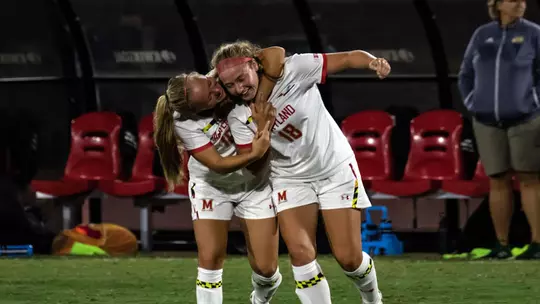
We preach about brotherhood and sisterhood on the field. It's time to take that mentality off the field and check in on your brother and sisters. If you need to talk, then talk. If you can be an active listener for someone, then listen.
I want to finish here by saying that I haven't figured it out yet. I'm still learning how to love myself, my body, my mind, my performance, and life in general.
I just know I never have to do it alone, and you never have to either.
Ask for help. Be a supporter. Be a listener.
Normalize using mental health resources. You are in control of yourself, so please take care of yourself because you matter. You are never alone.
Being vulnerable isn't a weakness. It's a strength.