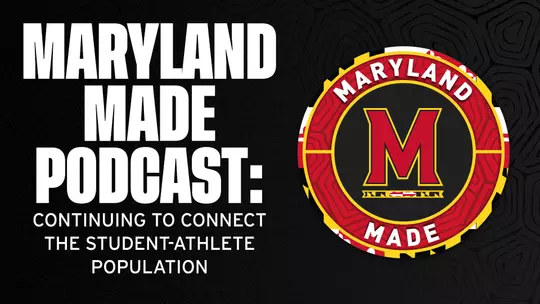
Maryland Made Podcast: Continuing To Connect The Student-Athlete Population
1/10/2023
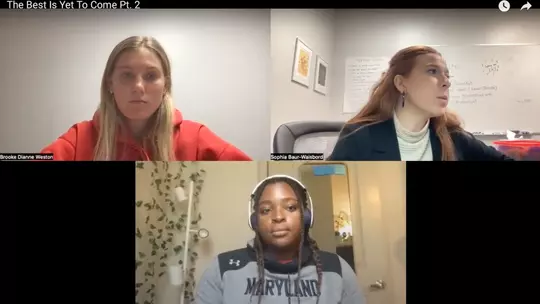
After a year of dealing with Zooms, virtual classes and online meeting sessions, Assistant AD for Student-Athlete Development Resa Lovelace and her Maryland Made team wanted to think outside the box as to how they could connect with student-athletes.
Lovelace and former Maryland Made program director, Timothy Bryson, came up with the idea of a Maryland Made podcast.
“Tim Bryson approached me during the Spring of 2021 about starting the Maryland Made Podcast,” Lovelace said. “At this time, he and I were both hearing that student-athletes were getting zoom fatigued. We were in the height of Covid-19, a lot of student-athletes were in online classes, attending virtual meetings with their teams, having tutoring/academic appointments online and then coming to our Maryland Made programming. The idea was to create an opportunity for student-athletes to get Career Readiness, Leadership Education, and Identity Development programming at their fingertips.”
Bryson had started his own podcast the previous year, so he was able to help Lovelace and the rest of the staff learn the ins and outs of planning, preparing and producing a podcast.
Student-athletes are extremely busy people, often juggling practices, competition, training sessions, tutoring and classes. This was a way for student-athletes to connect on their own time when it worked for them.
“Often we hear student-athletes say they don’t have enough time to focus on anything outside of academics and their sport,” Lovelace said. “We know that 99% of student-athletes go pro in something other than sports, so we thought, ‘how can we reach all 550 student-athletes in a way that allows them to learn on their own and on the go?’”
The podcast is released weekly on Mondays through Youtube, Spotify and Apple podcasts. Each episode has its own topic and includes conversations with current student-athletes, alumni, employers and staff.
“At the beginning of every semester, we sit down as a staff to review the previous semester’s episodes and talk about how we can identify topics that fall within our three pillars of Career Readiness, Leadership Education, and Identity Development,” Lovelace said. “From there, we think about who are relevant influencers that we believe our student-athletes would like to hear from and sometimes that includes current student-athletes. We find it valuable to have people represented on the podcast that are doing great things in many facets of their life. Additionally, we like to make sure that we are having timely conversations, so sometimes we may have to pivot an episode to discuss an emerging issue.”
Lovelace listed three episodes as some of her favorites.
“First up would be the ‘More than an Athlete: Maxwell Myers”’ episode because he gave a valuable insight on what it takes to be an exceptional athlete but more importantly how he came to the University of Maryland to focus on his academics and life after sport. During his episode he talked about how he found a community within his major that helped him focus on getting access to great internships that have turned into full-time job offers. I think it’s a great example of how student-athletes can utilize their time and get the most out of their college experience.
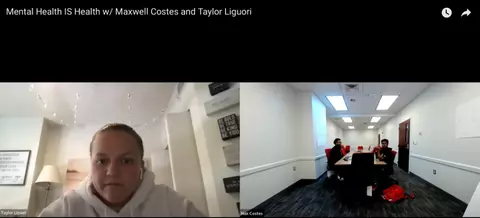
“Next, would be the episode ‘Mental Health is Health with Max Costes and Taylor Liguori.’ These two student-athletes have been major advocates for student-athletes prioritizing their mental health, especially during Covid-19. They have a great discussion of their own personal journeys but also why it’s important that coaches focus time on making sure that their athletes are more than just physically healthy.
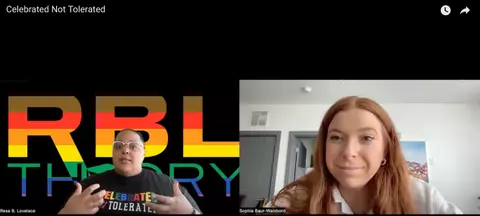
Last, would of course be an episode that I was featured in called ‘Celebrated not Tolerated.’ In that episode, I had the opportunity to talk about the importance of people embracing their own identities and finding the communities that support them. Additionally, I discussed why athletics needs to go beyond just performative celebrations of diversity and really start to look into their practices and policies for everyone that comes in touch with their organization.”
Currently, the Maryland Made staff works together to produce the podcast. Sydney Anderson, Big Ten Diversity Fellow, handles most of the production responsibilities.
“There have been a few major outcomes of us starting the podcast,” Lovelace said. “One, student-athletes actually are aking the time out of their day to listen to the episodes but more importantly, how they feel like they have direct access to any guest that has come on the show. It has also been a way to engage alumni that want to be involved with the University of Maryland and may not have known how to before this podcast. It has opened some doors for our student-athletes to receive internships and job opportunities from a number of individuals who have been featured on the podcast or who have heard the episodes. Lastly, a lot of our student-athletes have shown an interest in being on the podcast to share their stories or be the host of the podcast to get more comfortable with public speaking. All-in-all, I believe that this podcast has unlocked doors that we might not have seen when we first started but I think this will continue to be a staple of our programming here at Maryland.”