Water Blog: Stephanie Ragheb and Callan Rowe
1/7/2009 7:00:00 AM | Water Polo
Jan. 7, 2009
Written by Stephanie Ragheb and Callan Rowe
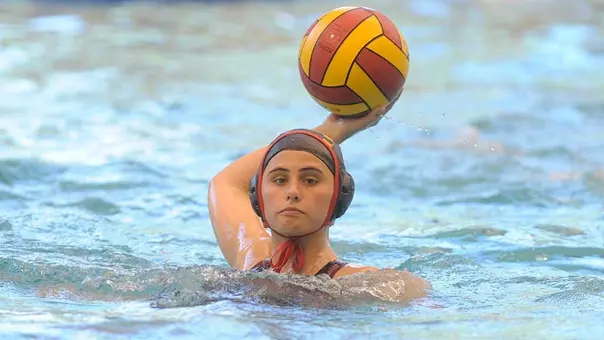
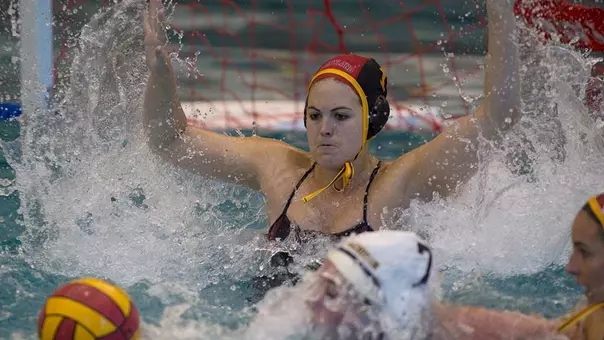
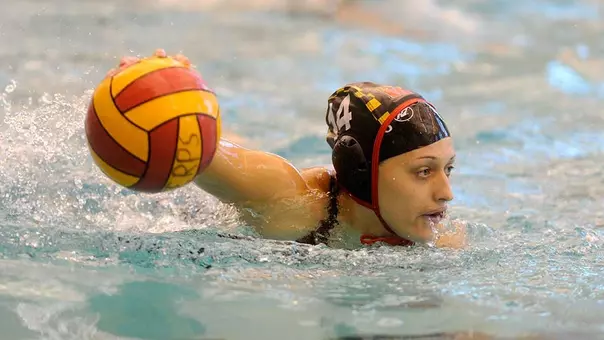
Sophomore Stephanie Ragheb and freshman Callan Rowe attended a five-day medical mission to Haiti in November along with Stephanie's father, Dr. Ragheb, a pediatric neurosurgeon. The Terps water polo duo wrote about its experience.
Dr. Ragheb travels to Haiti multiple times a year to conduct surgeries on children with hydrocephalus. Hydrocephalus is a disease that children are born with, that causes the baby's head to swell, putting too much pressure on the brain. The pressure can cause loss of sight, speech, the ability to walk or stand. Sometimes it may even cause death. This disease is diagnosed and treated early in the United States, because our doctors know the symptoms. Haitians are not as fortunate.
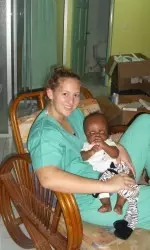
We operated on 26 children over a four-day period and the ages of the kids ranged from 11 days old to 3-years-old. The first day, we got to the hospital late in the day and were only able to set up the medical supplies and complete three surgeries. The second day we had an early start and operated on 11 kids. We worked the recovery room. Our job was to wake the babies up after surgery from the anesthesia, make sure they were breathing normally and getting enough oxygen. We had to check that their IVs were in properly and dripping. When we were sure everything was alright, we took them back to their parents in the ward.
On day three we performed 12 more surgeries. We observed the two types of treatments for this disease, shunts and ETV's (Endoscopic Third Ventriculostomy). ETV's are performed arthroscopically, entering the brain through the back of the head between the third and fourth ventricle to allow the fluid to flow properly. For a shunt, they make an incision behind the ear and in the stomach, and use a metal rod to put a wire tube under the skin from the stomach to the neck into the brain, so the fluid can flow normally from the brain to the stomach. We were offered the opportunity to make incisions and close, however, we were running out of sterile gowns and declined.
Overall, this was a very eye-opening and worthwhile experience. The poverty is so great, that it really made us realize how privileged we are. It was hard to see underprivileged children and their families all day, every day. We realized how good our lives really are and we're so thankful for what we have. We sent every child back to their families with a stuffed animal, and every parent cried and thanked us for the "gift." At times it was hard to keep from crying whenever we went into the ward because it was just so overwhelming. There were two children to every bed, plus their families. There were no fans, and the smell was indescribable. There was very limited water available in the hospital, and there was absolutely no water available on Sundays. It was obvious that these families cherished everything, and we feel as though we have given them some kind of happiness, and some kind of hope.
Would we go back on a medical mission again? We would...without hesitation. These families need to feel that happiness and hope; it was visible in every individuals eyes, and we would love to be able to provide families with that feeling again.
Every little bit helps, and we hope that we will be able to organize a drive or some type of fundraiser for trips like this in the future. Dr. Ragheb intends to return to Haiti in May, and we hope that we can raise some money to contribute to his mission.